
Organizing
How to Make a Tournament Bracket
Learn how to make a fair tournament bracket with seeding, byes, format choices and a practical process for last-minute changes.
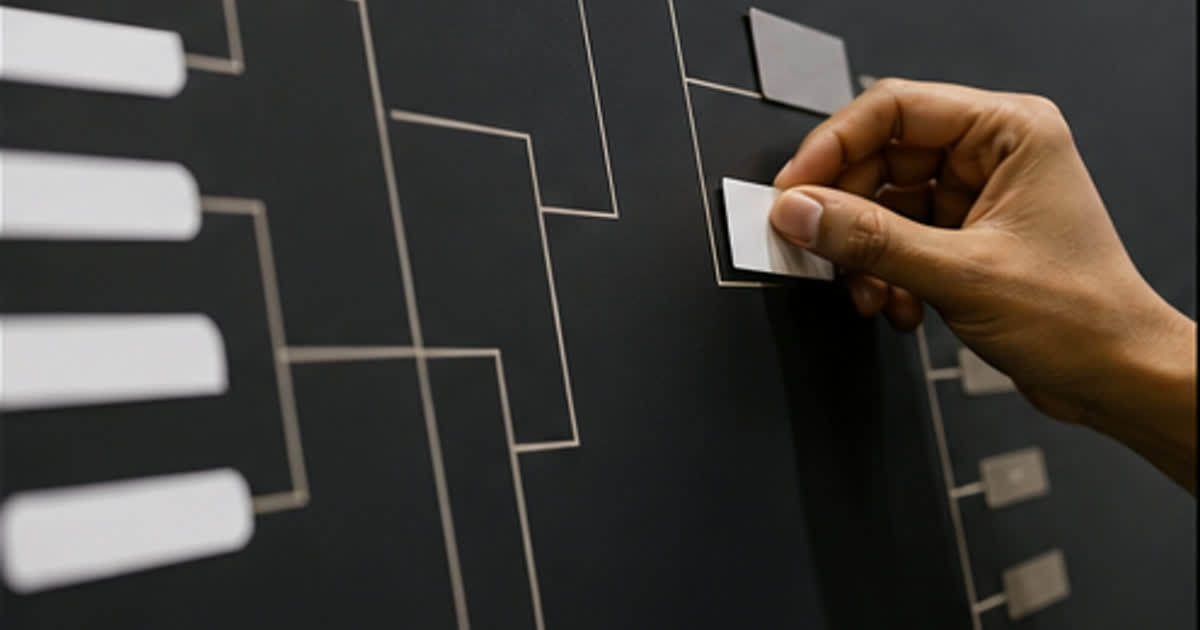
A tournament bracket is a public promise of how the competition will move forward. When it is fair, legible and updated quickly, players focus on their next match. When it is improvised, every delay feels personal.
Choose the format before you place names
Single elimination is the fastest route to a winner and works well when court time is limited. Round robin gives every participant more games, but requires considerably more scheduling capacity. Group stages followed by knockout can balance both, especially for larger events.
The correct choice depends on player count, available court hours and what participants expect from the entry fee. Decide this early and publish it with the event details.
Seed with a rule you can explain
Seeding is not only for elite events. It prevents the strongest known players from meeting unnecessarily early and gives participants a clear basis for the draw. Use a documented basis such as current ranking, previous event performance or a transparent club rule.
If you do not have reliable data, randomise the unseeded field and say so. Consistency matters more than pretending there is a perfect formula.
Handle byes deliberately
A bye happens when the number of entrants does not fit the next bracket size. It is not an error. The mistake is assigning byes without a rule after the bracket is already visible.
Decide whether byes go to top seeds, are randomised or follow a published qualification order. Then use a bracket tool that represents the bye properly so the subsequent round remains accurate.
- Lock registrations before publishing the final draw.
- Keep a clear withdrawal process for players who cannot attend.
- Record any manual edits so staff share the latest version.
- Publish updates in the same place as the original bracket.
Make the bracket useful during the event
The draw should tell players more than their first opponent. Add match status, court and time when those details are ready. At minimum, show the next match path and refresh results as they are confirmed.
Kompte can generate fixtures with seeding and byes, then let organisers edit the draw before or during play. The advantage is not automation for its own sake. It is giving every stakeholder one current answer.